Birds

Birds Around Sceva’s Garden Home

A Gentle Birding Experience in the Hills Near Munnar

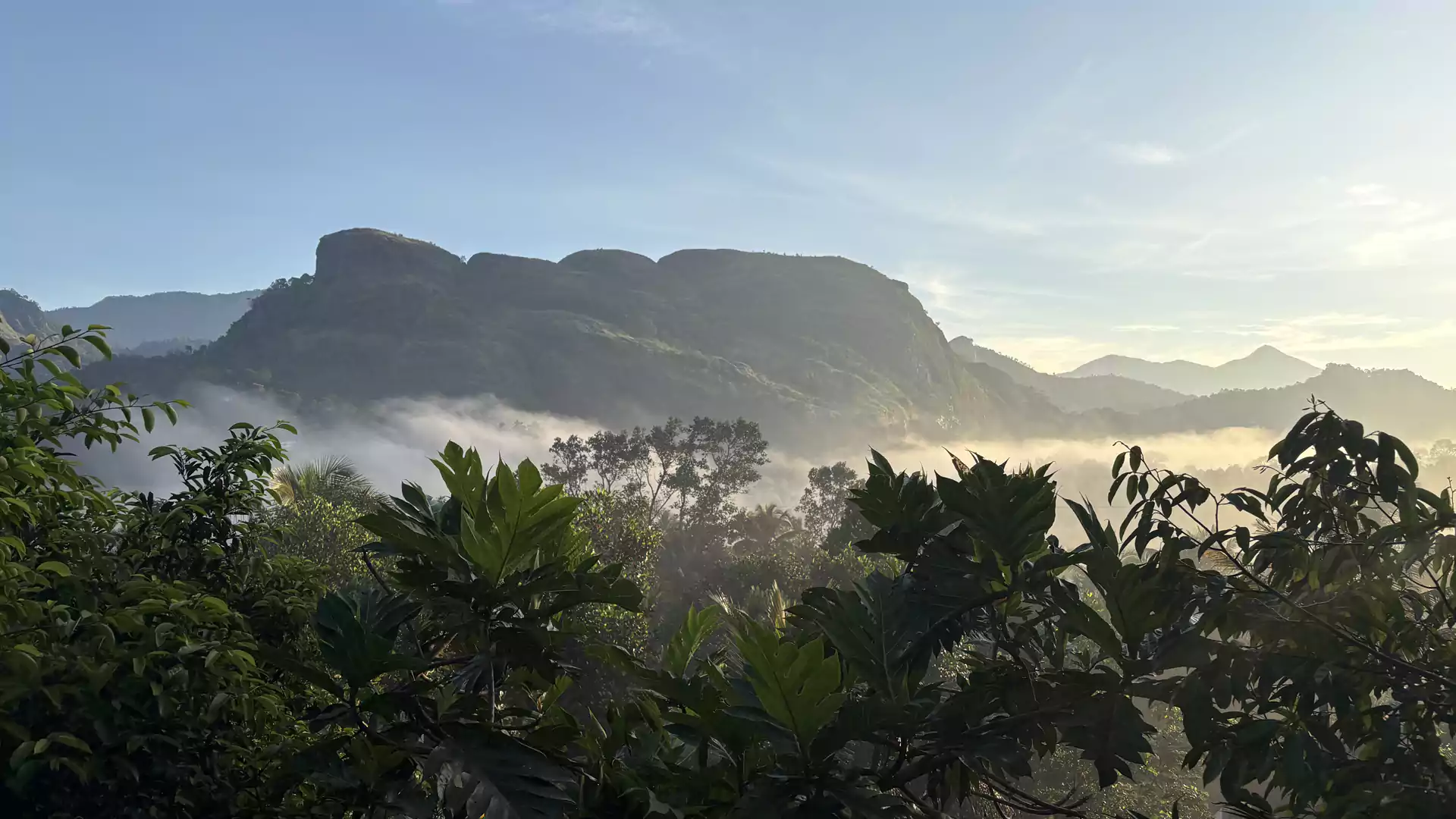
At Sceva’s Garden Home, birding is not a scheduled activity — it’s a daily blessing. Surrounded by greenery, forest edges, and open hillsides, our peaceful setting naturally attracts a vibrant mix of resident and Western Ghats species.

Using the Merlin Bird ID app, we’ve identified many fascinating birds that guests regularly spot from balconies, garden paths, and quiet morning walks.

Whether you are a casual nature lover or a passionate birder, here’s a glimpse of the avian life around our homestay near Munnar.

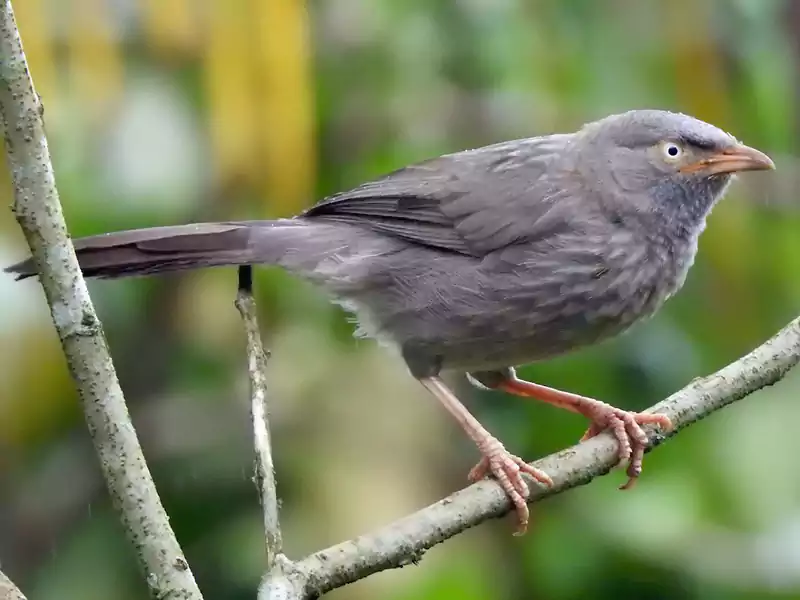
Jungle Babbler (Argya striata)

Often seen moving in noisy groups, these ash-brown birds hop energetically on the ground, turning over leaves in search of food. Their pale eyes and slightly “serious” expression make them instantly recognizable.

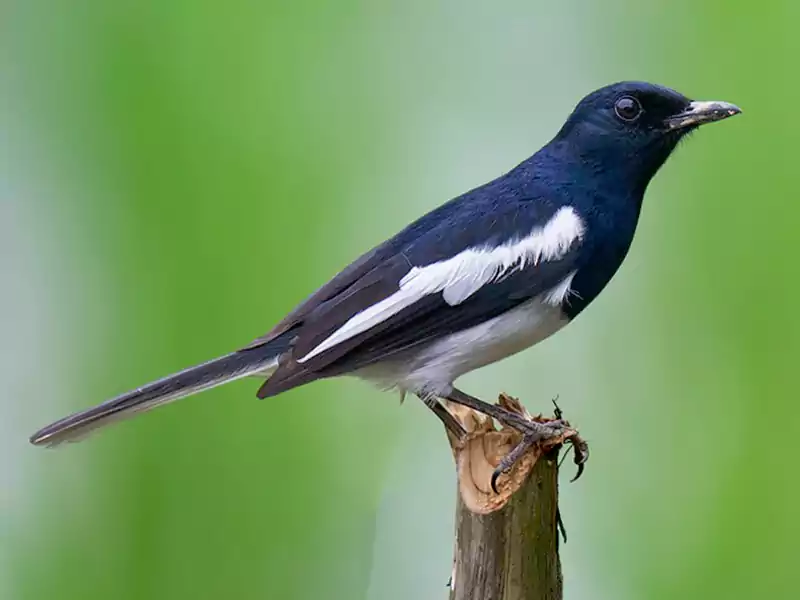
Oriental Magpie-Robin (Copsychus saularis)

A melodious singer frequently perched in open spots. Males shine in striking black-and-white, while females appear softer in gray-brown tones. Their early morning whistles often become the soundtrack of our dawn.

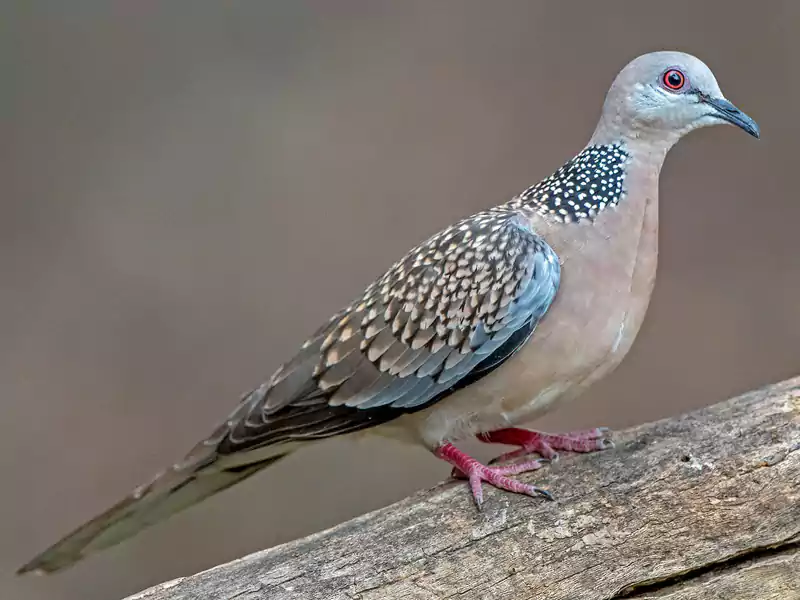
Spotted Dove (Spilopelia chinensis)

Gentle and approachable, with a rosy breast and distinctive white-spotted black collar. Their soft cooing blends beautifully with the quiet garden atmosphere.

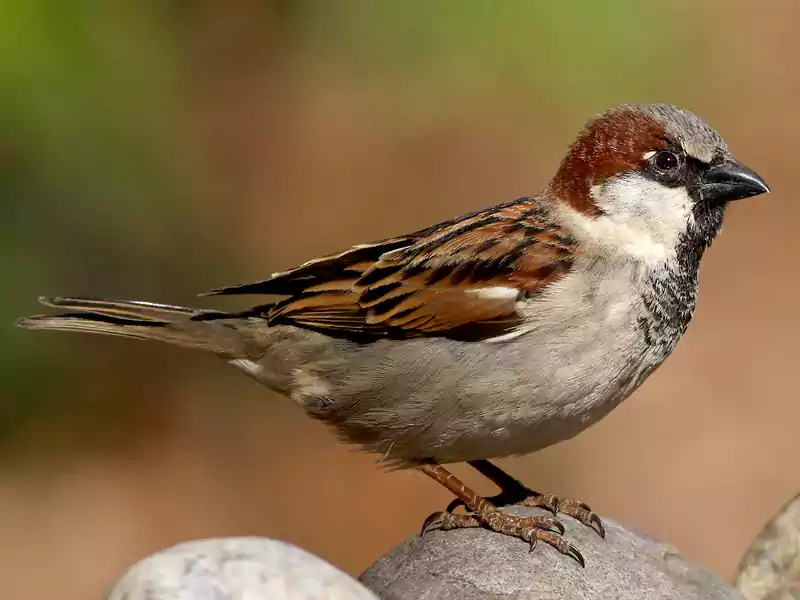
House Sparrow (Passer domesticus)

Familiar yet charming, these lively birds bustle around shrubs and rooftops, bringing cheerful energy to the surroundings.

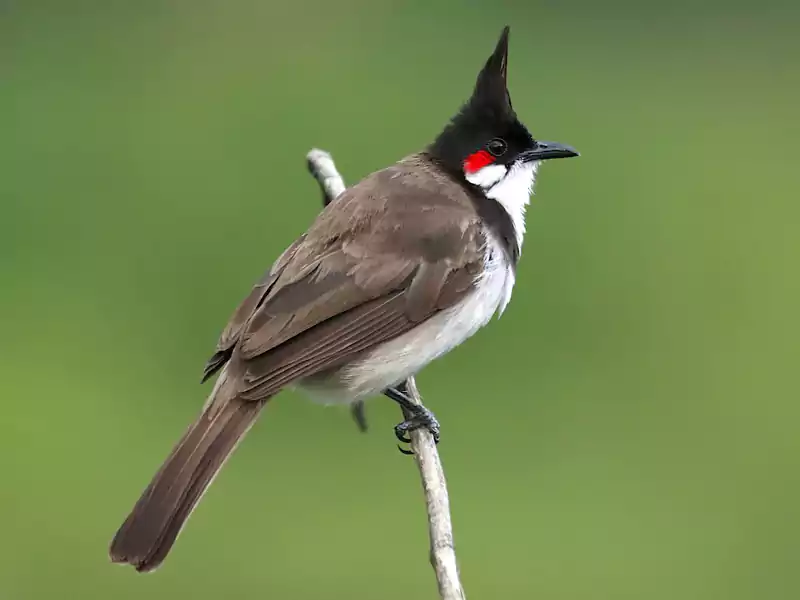
Red-whiskered Bulbul (Pycnonotus jocosus)

With a tall black crest and bright red cheek patch, this elegant bird often appears in pairs, filling the air with pleasant, musical notes.

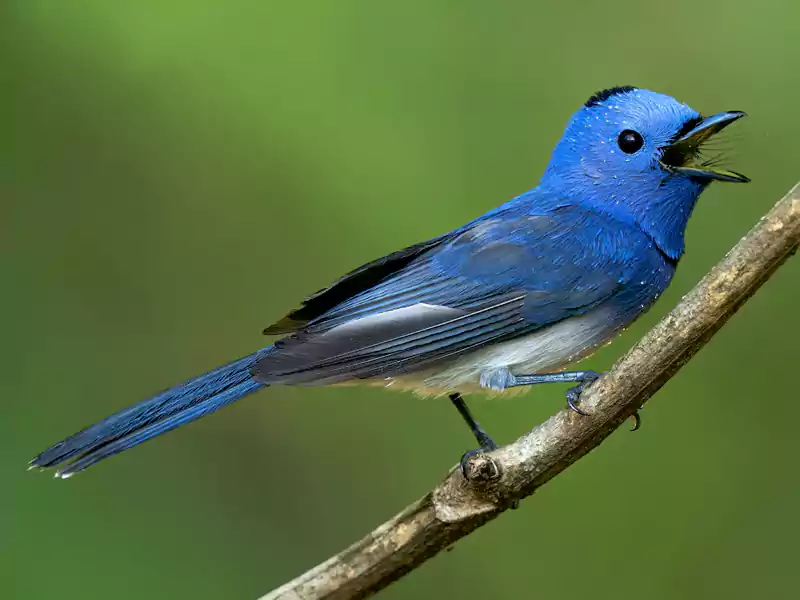
Black-naped Monarch (Hypothymis azurea)

A stunning splash of azure blue in flight. Males display a striking black nape patch, while females are softer in tone. They dart mid-air to catch insects, adding graceful movement to the forest edges.

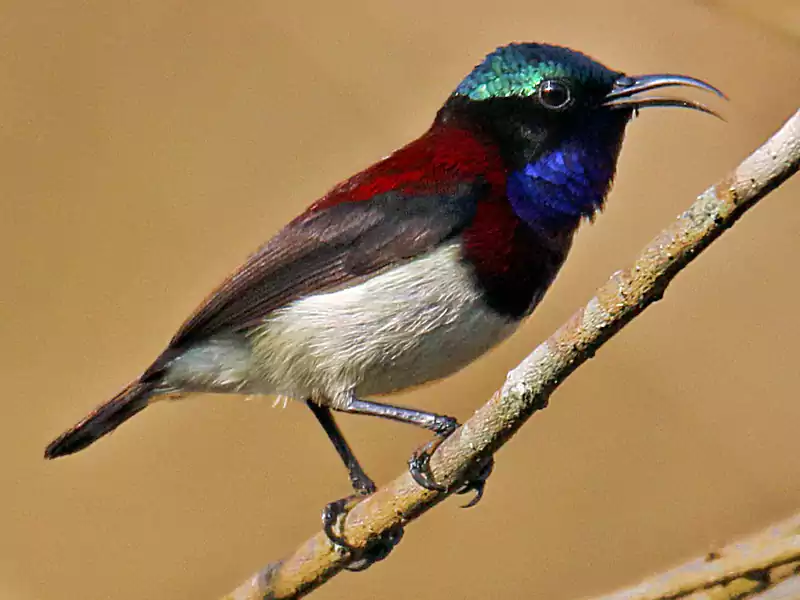
Crimson-backed Sunbird (Leptocoma minima)

Endemic to the Western Ghats, the male glows with deep red and green iridescence, while the female shows gentle earthy hues. Often seen near flowering plants.

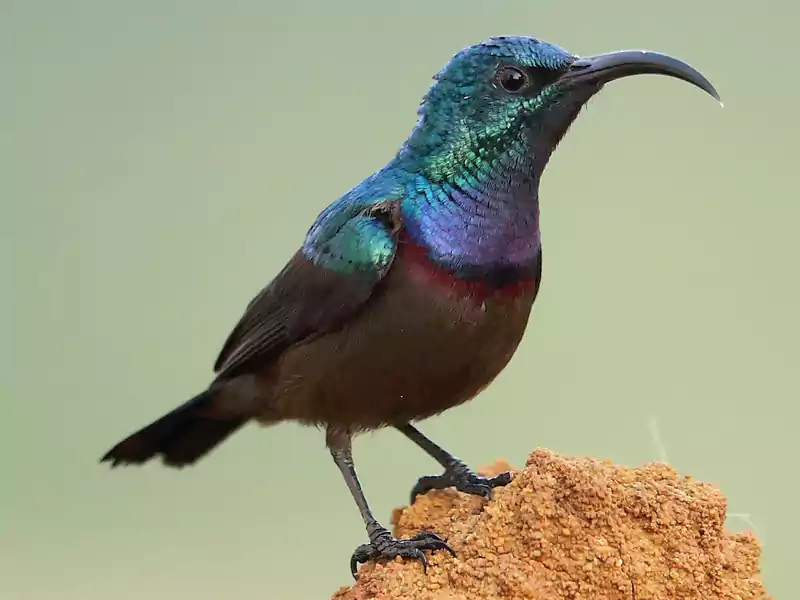
Loten’s Sunbird (Cinnyris lotenius)

Recognizable by its curved bill and glossy purple male plumage. Frequently visits gardens and open wooded areas.

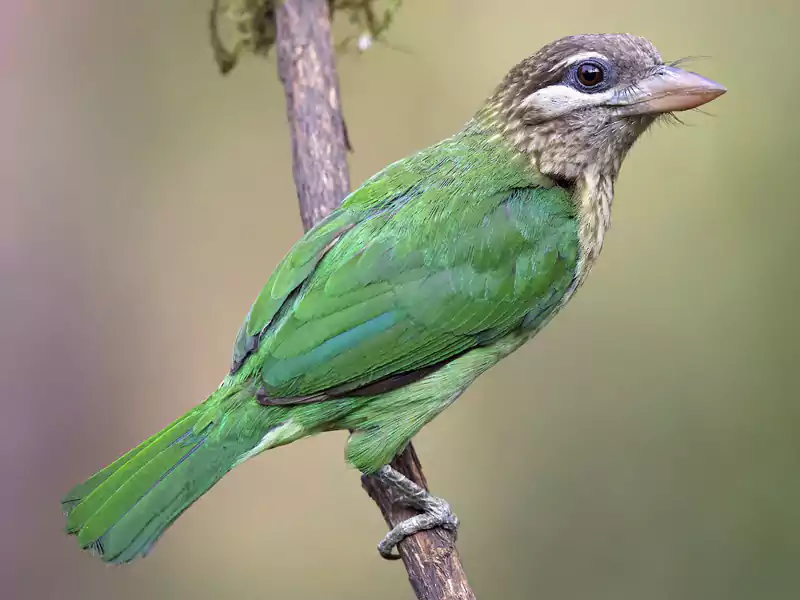
White-cheeked Barbet (Psilopogon viridis)

More often heard than seen, its repetitive midday calls echo from treetops. Look for the white facial markings against its green body.

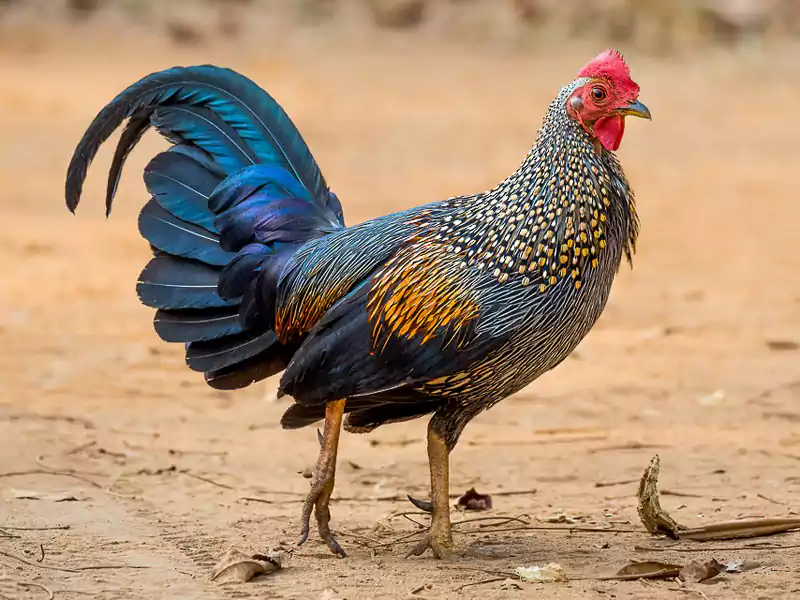
Gray Junglefowl (Gallus sonneratii)

A true Western Ghats native. Occasionally glimpsed along quieter forested patches, especially during early mornings.

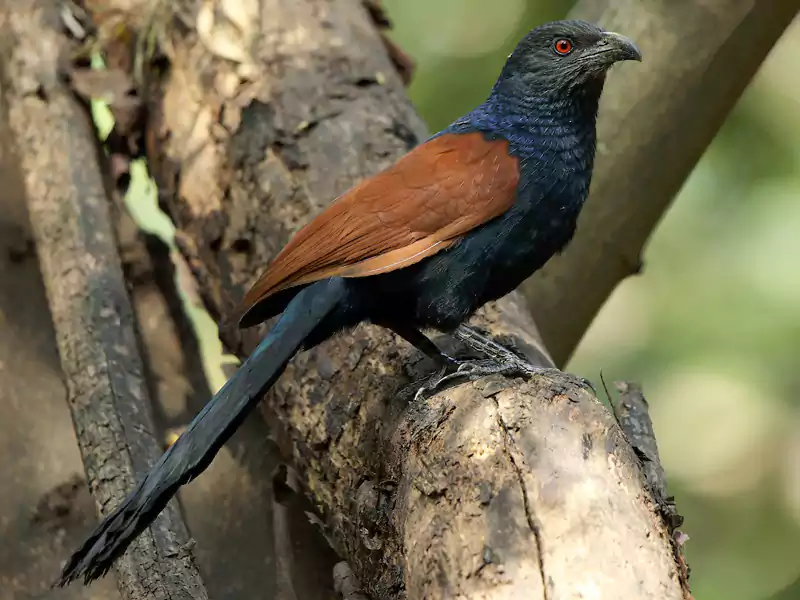
Greater Coucal (Centropus sinensis)

With deep red eyes and rusty wings, this large, crow-like bird is hard to miss. Its deep “oop-oop-oop” call resonates across the hills.

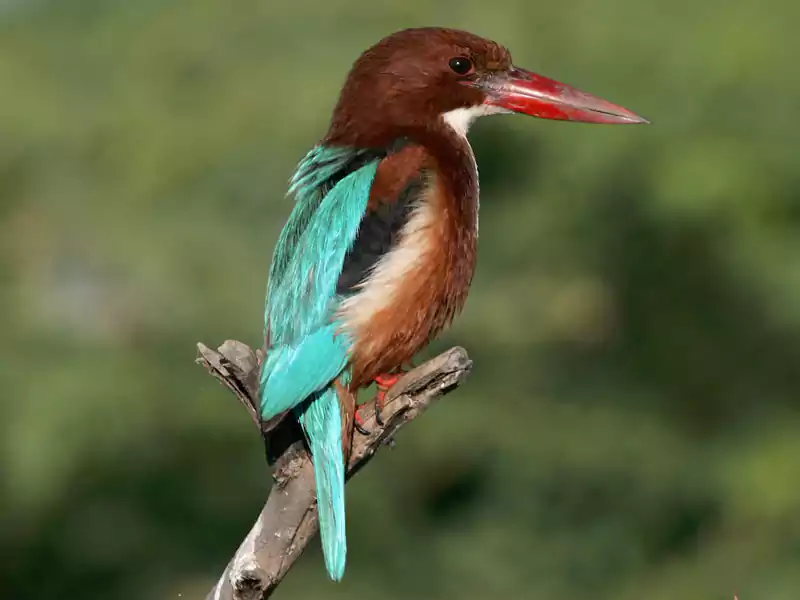
White-throated Kingfisher (Halcyon smyrnensis)

Electric blue wings, bright red bill, and snowy white throat — often perched visibly before darting off.

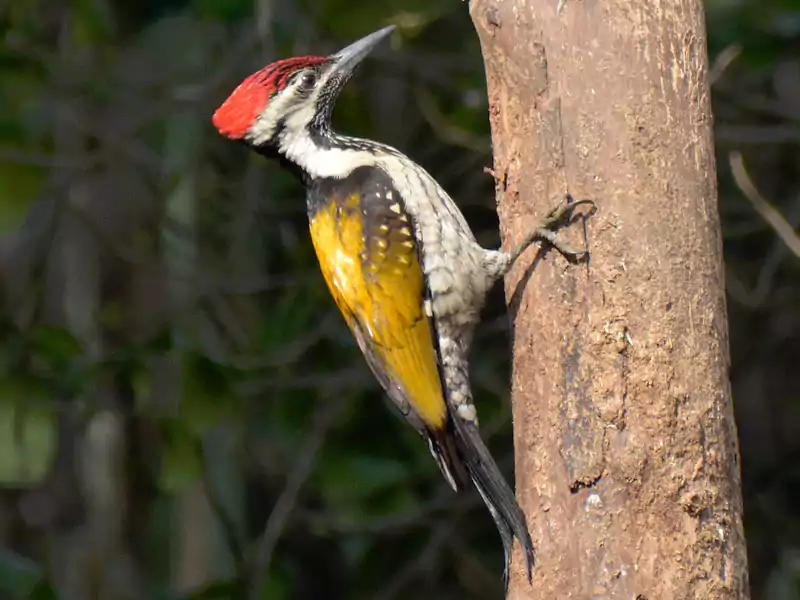
Black-rumped Flameback (Dinopium benghalense)

A golden-backed woodpecker frequently heard before seen, thanks to its loud, accelerating call.

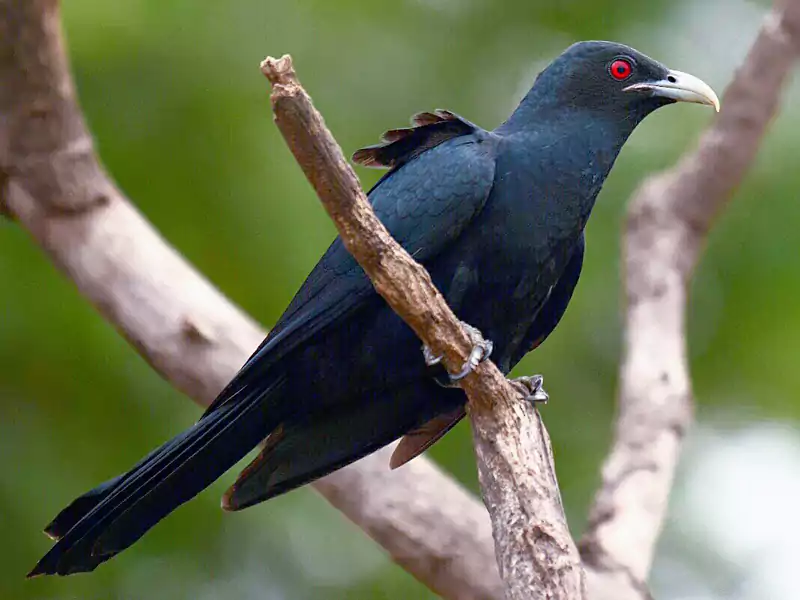
Asian Koel (Eudynamys scolopaceus)

Famous for its unmistakable “ko-EL!” call, especially during breeding season. Often hidden among dense trees.

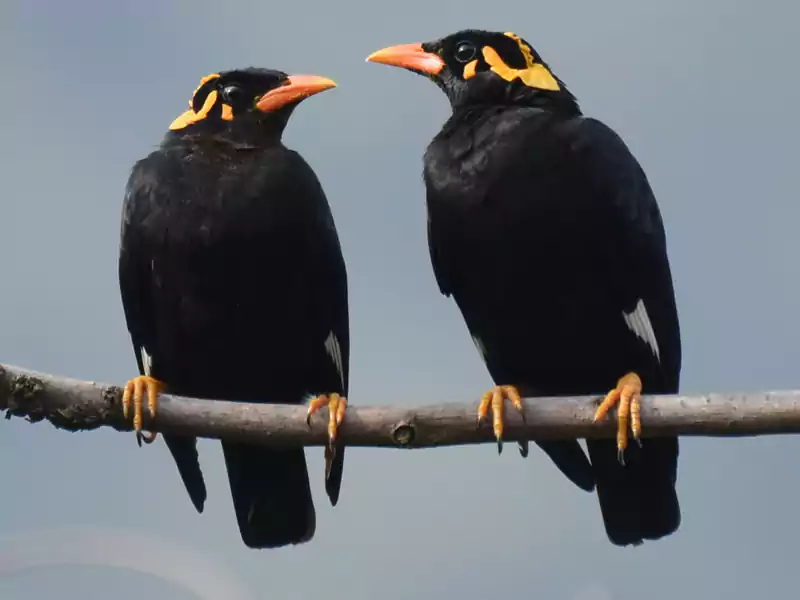
Southern Hill Myna (Gracula indica)

Glossy black with orange bill and yellow wattles. Usually spotted high in the canopy in pairs.

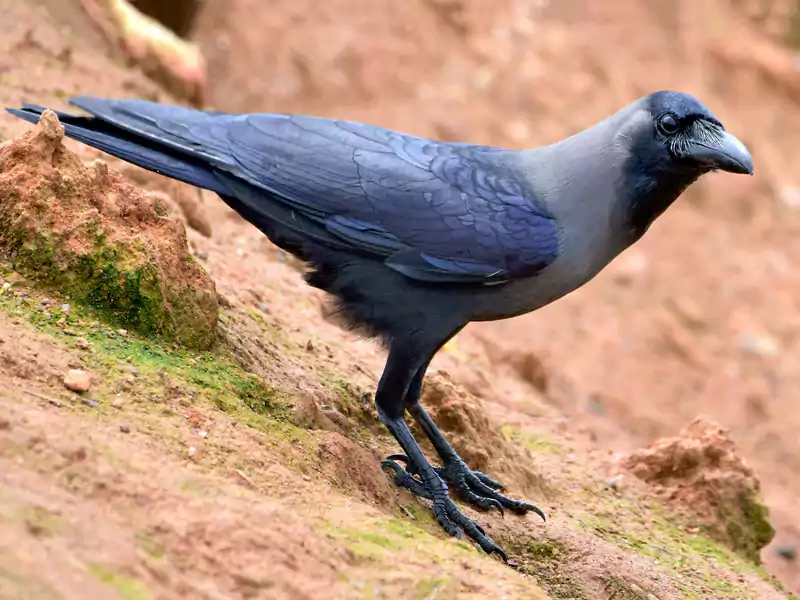
House Crow (Corvus splendens)

Intelligent and adaptable, often seen near human habitation.

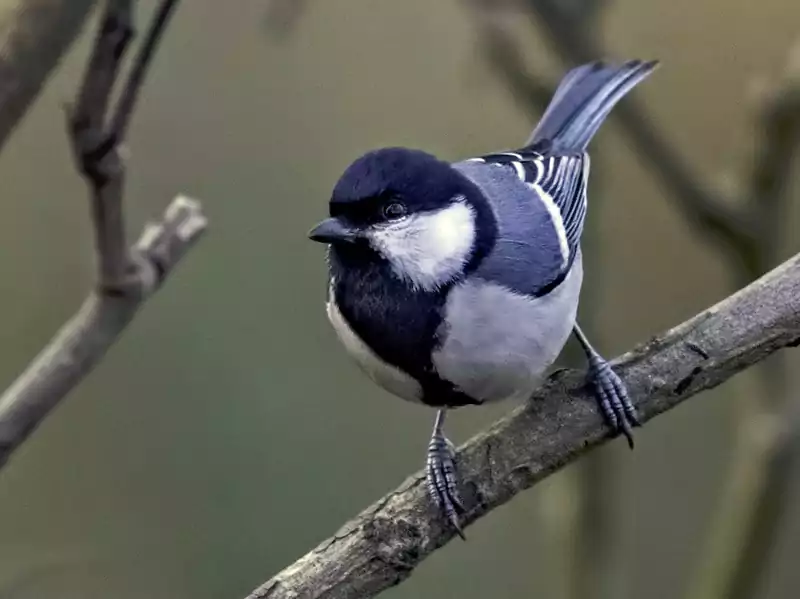
Asian Tit (Parus cinereus)

Active, vocal, and energetic — commonly moving through wooded patches in quick bursts.

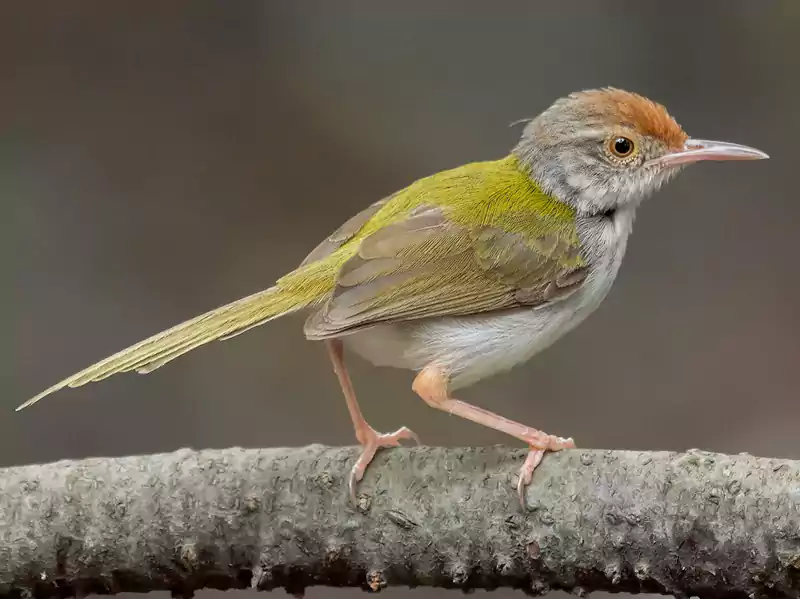
Common Tailorbird (Orthotomus sutorius)

Named for its unique leaf-stitching nests, this tiny bird is often heard before it is seen.

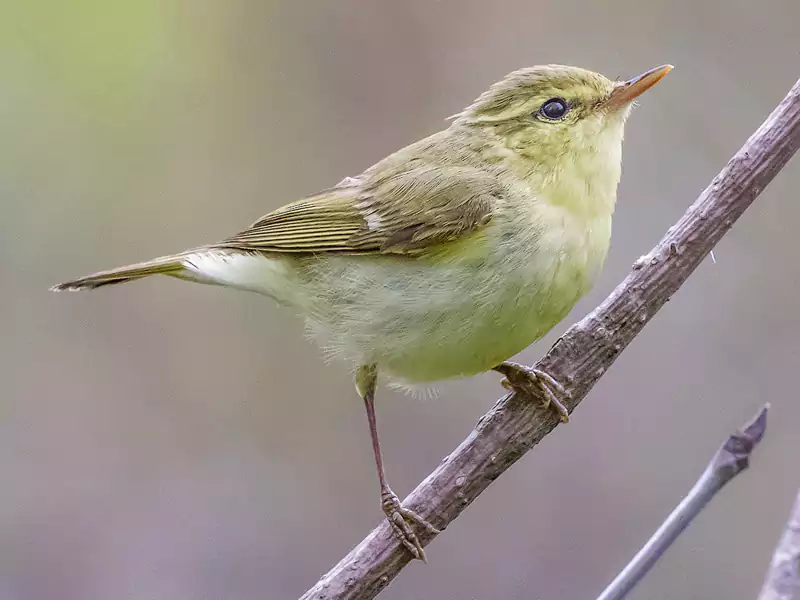
Green Warbler (Phylloscopus nitidus)

A small green leaf warbler that blends easily into foliage, identified by its soft green upperparts, faint wing bars, and yellowish face. This migratory species breeds in the Caucasus Mountains and winters in southern India, including the Western Ghats. Often easier to hear than see, its fast “chi-su-wi” call reveals its presence among trees and garden greenery around Sceva’s Garden Home.

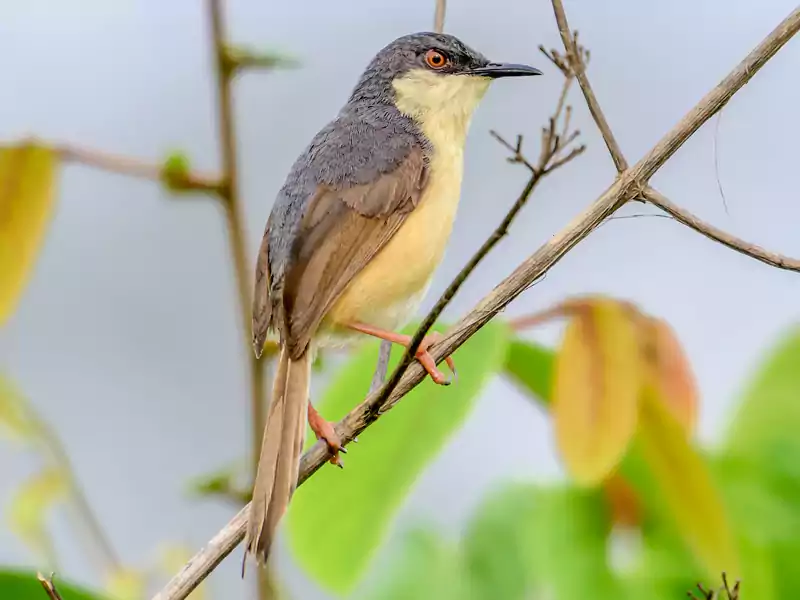
Ashy Prinia (Prinia socialis)

A small and lively bird commonly found in open habitats, gardens, and shrublands. The Ashy Prinia shows a gray head, grayish-brown back, pale cinnamon underparts, and a slender black bill. Often seen moving through low bushes or undergrowth, it occasionally sings from exposed perches like wires. Its loud, ringing song and bold nature make it a familiar presence around the gardens and open surroundings of Sceva’s Garden Home.

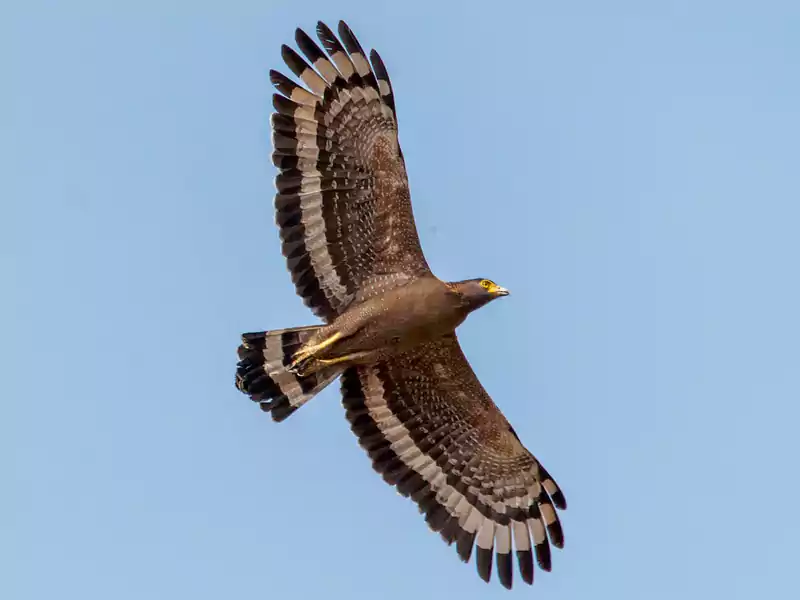
Crested Serpent-Eagle (Spilornis cheela)

A large and powerful forest eagle easily recognized by its prominent bushy crest and striking yellow facial skin. It has rich brown plumage marked with bold white spots and broad rounded wings visible in flight. Often seen perched upright in wooded areas, this raptor is usually detected by its piercing, whistling scream echoing through the hills. The Crested Serpent-Eagle is occasionally spotted soaring or resting near the forested surroundings of Sceva’s Garden Home.

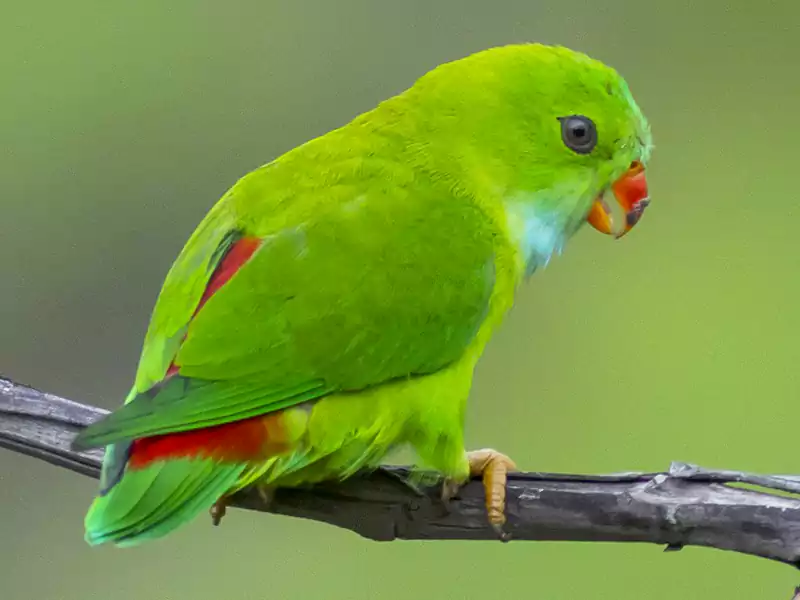
Vernal Hanging-Parrot (Loriculus vernalis)

A tiny, bright green parrot with a short tail, red bill, and distinctive red rump. Males show a small powder-blue patch on the throat. Usually seen high among tree canopies and often detected by its sharp “zi-zi-zi” calls while flying overhead. This lively species has been spotted in the thick garden around Sceva’s Garden Home.

Why Birding at Sceva’s Feels Special

Unlike crowded tourist zones, our location offers:

  • Quiet forest-edge habitat
  • Minimal traffic disturbance
  • Lush garden environment
  • Elevated hill climate
  • Natural mixed vegetation


This creates an ideal micro-ecosystem for birdwatching in Munnar — even without leaving the property.

Morning balcony moments, soft evening walks, and misty post-rain hours often reward guests with delightful sightings.

Personalise Your Kerala Getaway

Add extra nights, sightseeing, transportation, or a beautiful Kerala houseboat stay through the serene backwaters — tailored just for you.