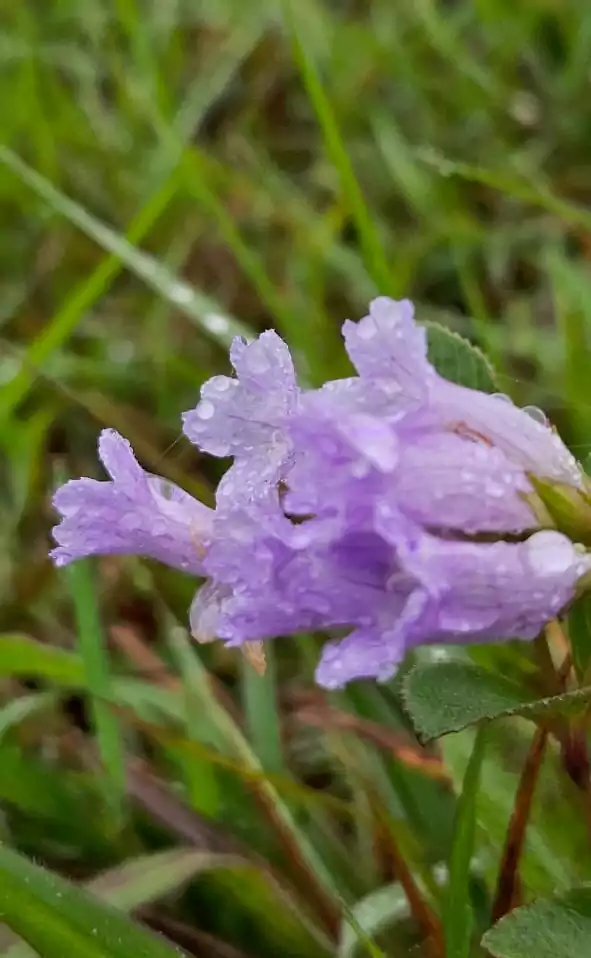
Imagine standing on a misty mountainside where, as far as your eyes can see, the rolling grasslands are painted in shades of blue and violet. This breathtaking sight is created by Neelakurinji (Strobilanthes kunthiana), one of nature’s rarest flowering events and one of the greatest reasons travellers dream of visiting Munnar.
Unlike most flowering plants, Neelakurinji blooms only once every 12 years. During a mass flowering season, millions of flowers transform the Western Ghats into an unforgettable landscape that attracts visitors, photographers, botanists and nature lovers from around the world.
Even outside these famous bloom years, scattered flowers may appear in some locations, making Neelakurinji a symbol of the unique biodiversity that makes Munnar so special
Neelakurinji is a native flowering shrub found in the high-altitude grasslands of the Western Ghats, a UNESCO World Heritage landscape recognised for its exceptional biodiversity.
Its scientific name is Strobilanthes kunthiana, and it naturally grows between 1,300 and 2,400 metres above sea level, thriving in the cool mountain climate around Munnar.
After spending years quietly growing, each plant flowers only once, produces seeds, and then completes its life cycle. This remarkable behaviour is what makes the landscape-wide bloom so extraordinary.
One of the greatest mysteries that fascinates visitors is its flowering cycle.
Unlike annual flowers, Neelakurinji follows a biological rhythm known as gregarious flowering. Plants of the same generation bloom together after approximately twelve years, covering entire hillsides with blue blossoms before producing seeds and naturally dying.
This synchronized flowering has evolved over thousands of years and is believed to improve seed survival while supporting the delicate ecology of the Western Ghats.
During flowering years, Neelakurinji can be found in several high-altitude grassland habitats around Munnar.
Some of the best-known locations include:
Accessibility varies depending on weather, conservation regulations and forest department guidelines. Some areas require guided trekking, while others can be enjoyed from scenic viewpoints.
The last spectacular mass flowering took place in 2018.
The next large-scale bloom is expected around 2030, although nature does not follow a precise calendar.
In some years, visitors may notice small scattered patches flowering earlier than expected. These isolated blooms are part of the plant’s natural variation and should not be mistaken for the famous once-in-twelve-years event.
If you are planning your visit specifically for Neelakurinji, we recommend checking our latest Bloom Watch updates before travelling.
Neelakurinji represents much more than a beautiful landscape.
The flowering season supports numerous insects, butterflies and pollinators while showcasing the fragile ecology of the Western Ghats.
The surrounding grasslands are also home to remarkable wildlife, including:
For birdwatchers and wildlife enthusiasts, visiting during the flowering season offers an unforgettable opportunity to experience one of India’s richest mountain ecosystems.
At Sceva’s Garden Home, we love introducing our guests to the quieter, more authentic side of Munnar.
Although the famous flowering happens only once every twelve years, the surrounding mountains offer extraordinary experiences throughout the year—from mist-covered viewpoints and hidden waterfalls to birdwatching, spice gardens, scenic drives and peaceful nature walks.
If Neelakurinji is part of your dream trip, we’d be delighted to help you plan the best places to visit based on the latest local conditions, weather and accessibility.
Our family has welcomed travellers from around the world for years, and we’re always happy to share local recommendations that go beyond the usual tourist routes.
Neelakurinji habitats are extremely delicate.
Please help preserve this natural wonder by:
Every responsible visitor helps ensure future generations can enjoy this remarkable phenomenon.
If you’re hoping to capture Neelakurinji at its best:
Always remain on designated trails to protect the fragile grasslands.
We regularly monitor local reports and seasonal conditions around Munnar.
Before your visit, check this page for the latest updates on:
(Last updated: 8th August 2026)
Whether you’re visiting during the legendary Neelakurinji bloom or simply looking to experience the beauty of Munnar’s mountains, we’d love to help you discover places that many travellers miss.
If you’re planning your trip, get in touch with us. We’ll be happy to recommend scenic drives, viewpoints, trekking options, birdwatching spots and the best seasonal experiences based on your travel dates.
No. The famous mass flowering happens approximately once every twelve years, although small scattered blooms may occasionally appear between cycles.
Strobilanthes kunthiana.
The next large-scale flowering is expected around 2030, subject to natural variations.
Eravikulam National Park is the best-known destination, while Chokramudi, Lockhart Gap and Lakshmi Hills are also recognised habitats during flowering periods.
No. Outside flowering periods, you’ll mainly see the green shrubs that later produce the famous blue blossoms.
It naturally occurs across parts of the higher Western Ghats, but Munnar is the most celebrated destination because of its extensive mountain grasslands and spectacular landscape-wide blooms.
Looking for a chance to experience Munnar’s high-altitude grasslands?
Join our scenic Jeep Safari to Meesapulimala, where, depending on the season and nature’s timing, you may spot scattered Neelakurinji blooms along with breathtaking mountain views, shola forests, and the unique biodiversity of the Western Ghats. Every journey is different, making each visit a memorable adventure.